
How Gaming Shapes Modern Lifestyles and Daily Routines

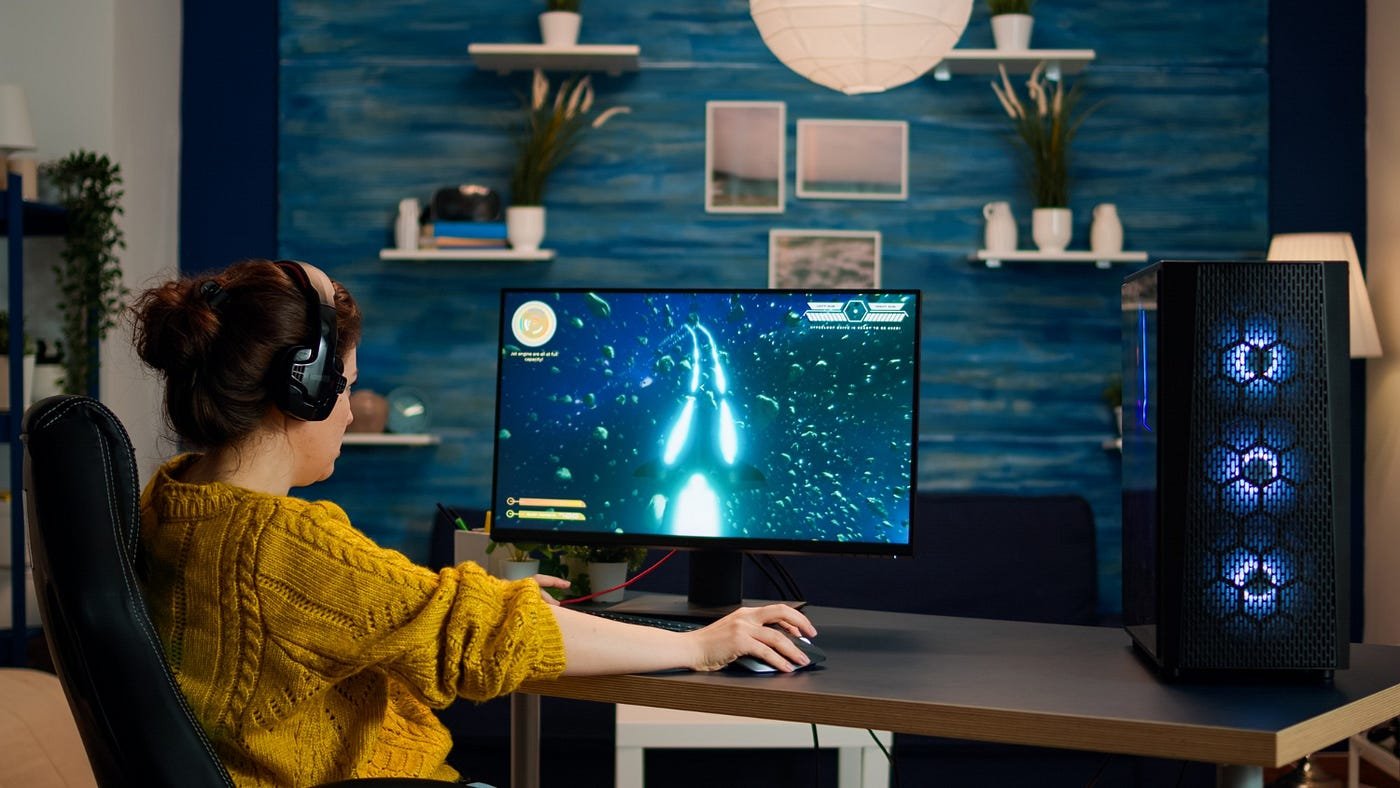
Gaming is no longer a separate hobby that people only enjoy during free time. It has grown into a part of everyday life, influencing how people relax, communicate, learn, and even plan their daily schedules. Modern games are social, connected to online communities, and accessible through phones, tablets, PCs, and consoles. Because of this, gaming affects routines in ways that were not possible in the past.
Gaming as a Daily Source of Relaxation
Many people use gaming as part of their routine to unwind after work, school, or stress. Instead of watching TV, players load up a game for a short session to recharge their mind.
How gaming fits into relaxation routines
• Short sessions during breaks
• Evening gaming to settle down
• Calm puzzle or simulation games as stress relief
• Games replacing traditional entertainment like TV
Lifestyle impact
• People schedule “game time” the same way they plan reading or exercise
• Gaming becomes a healthy outlet to calm the mind
Social Interaction Through Online Gaming
Modern games include chats, friend lists, voice channels, and group challenges, turning them into social hubs.
Ways social gaming shapes daily life
• Checking in with friends through game chats
• Evening multiplayer sessions as social hangouts
• Virtual events inside games replacing real meetups
• Building friendships with players from other countries
Changes in social behavior
• More inclusiveness for people who struggle with face-to-face communication
• Shared activities deepen friendships
• Team-based games build cooperation and communication habits
Gaming as a Tool for Skill Development
Games often help people develop skills without them realizing it.
Skills commonly influenced by gaming
• Quick decision-making
• Problem-solving
• Strategic thinking
• Hand–eye coordination
• Multitasking
• Reading and comprehension in story-heavy titles
Lifestyle connection
People often carry these improved skills into work, school, and daily tasks.
Gaming and Time Management
Gaming encourages people to plan their schedules differently, especially when they want to balance gaming with responsibilities.
Routine changes caused by gaming
• Setting limits to avoid losing track of time
• Scheduling chores or homework before gaming
• Allocating “gaming windows” to maintain balance
• Using gaming as a reward for finishing tasks
Effects on daily habits
• Improved discipline for some players
• Challenges with procrastination for others
Gaming as a Creative Outlet
Many modern games allow players to design worlds, build structures, or create stories.
Creative activities in games
• Building in sandbox games
• Designing characters or homes
• Creating mods for favorite games
• Writing lore or sharing fan art online
Lifestyle influence
• Some players turn creativity into careers
• Gaming communities inspire art, streaming, or content creation
• Creative expression becomes part of daily routine
Physical and Mental Health Effects
Gaming can influence both physical and mental habits depending on how it’s used.
Positive health influences
• Relaxation after stressful days
• Mental stimulation
• Improved focus and cognitive flexibility
Possible downsides
• Poor posture from long sessions
• Poor sleep if gaming late into the night
• Less physical activity if overdone
Healthy habits many players adopt
• Stretching between sessions
• Using ergonomic chairs
• Setting stop times at night
• Using blue-light filters
Gaming as Part of Family Life
Gaming has become a shared activity in many households.
How families use gaming
• Parents and children playing together
• Multiplayer party games during gatherings
• Educational games for learning
Lifestyle impact
• Strengthens family bonding
• Creates shared interests
• Opens communication between generations
Gaming and Career Aspirations
Gaming has expanded career paths that did not exist years ago.
Career areas influenced by gaming
• Game design
• Streaming and content creation
• Esports
• Graphic design
• Software engineering
• Community management
Routine influence
• People spend time practicing games for competitive play
• Daily content creation becomes a structured schedule
• Training sessions resemble athlete routines in esports
Gaming’s Role in Communication and Online Identity
Gamers often build online identities that stay active through daily check-ins.
Daily habits
• Logging in for rewards or missions
• Talking to online friends
• Checking game forums or communities
• Sharing achievements or screenshots
Lifestyle effect
• Online identity becomes part of personal identity
• People maintain friendships across time zones
How Gaming Shapes Future Thinking and Decision-Making
Games often require planning and predicting outcomes.
How games influence thinking patterns
• Choosing between multiple paths
• Calculating risks
• Forming long-term strategies
• Learning from failures and trying again
Real-life application
These habits appear in financial decisions, school planning, teamwork, and personal goals.
Gaming as a Modern Lifestyle Force
Gaming is no longer just entertainment. It influences how people relax, talk, learn, think, and manage time. It shapes creativity, builds communities, and creates new daily habits that blend digital and real-world activities.
For many people worldwide, gaming is simply part of the way they live—just like music, reading, sports, or social media. When balanced well, gaming can improve mental skills, strengthen social ties, encourage creativity, and add joy to everyday routines.